What a Bicycle Accident Lawyer Does for Injured Cyclists
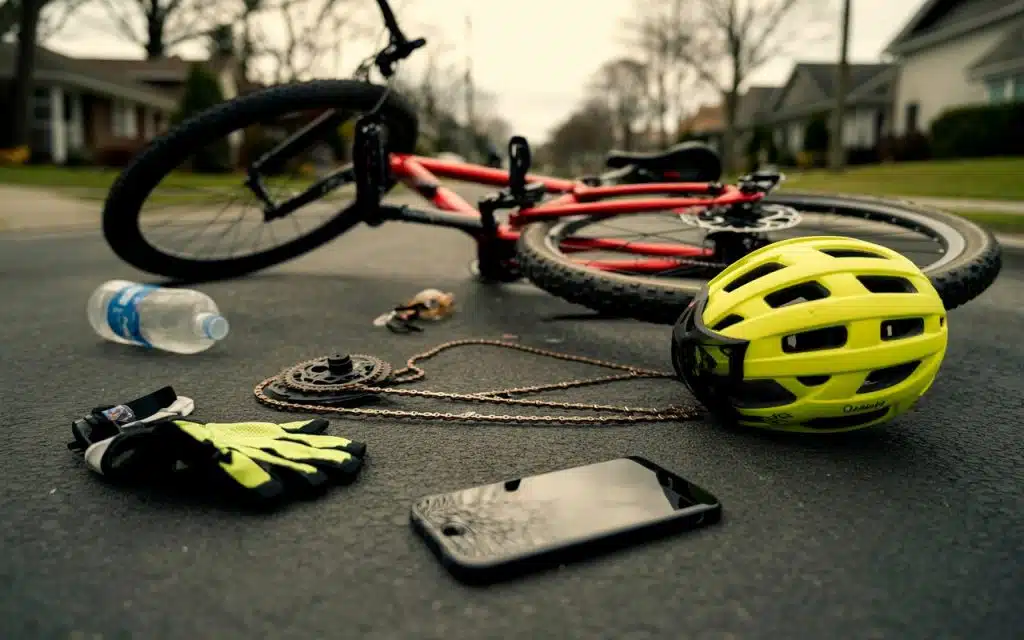
A bicycle crash can turn an ordinary ride into a long, expensive recovery. The injuries are often serious because cyclists do not have the protection that drivers take for granted. A broken collarbone, wrist fracture, concussion, facial injury, spinal damage, or a knee that will never feel the same again can come from a split second of inattention by a driver. Even what looks like a low-speed impact can leave a rider dealing with surgery, months of physical therapy, and time away from work.
That is the point where many injured riders start asking what a Bicycle Accident Lawyer actually does. The short answer is that the lawyer builds the legal and factual case that connects the crash to the losses that follow, then pushes for payment from the party responsible. The longer answer is more practical, and more important. A good lawyer preserves evidence before it disappears, identifies every available source of insurance, calculates losses beyond the first hospital bill, manages the claim so the injured person can focus on healing, and if necessary files suit and tries the case.
For cyclists, that work has a few complications that do not always show up in ordinary car wreck claims. Bias against cyclists is real. Road design issues can matter. Visibility, lane positioning, helmet use, lighting, and local traffic rules often become points of dispute. Cases can rise or fall on details that a non-lawyer would never think to preserve.
Why bicycle injury claims are different
People tend to underestimate bicycle cases until they see one up close. In a typical motor vehicle claim, there is usually visible damage to two cars, clear insurance information, and a familiar framework for fault. Bicycle collisions can be messier. A driver may insist the cyclist “came out of nowhere.” The police report might be thin or mistaken. The bike may be removed from the scene by a friend and later repaired, wiping out useful evidence. A nearby business camera may overwrite footage within days.
There is also the issue of injury timing. Cyclists often have an adrenaline response after a crash. They stand up, talk to police, maybe refuse an ambulance, then wake up the next morning unable to turn their neck or put weight on a leg. Insurance adjusters sometimes use that delay to argue the person was not hurt badly. An experienced Bicycle Accident Lawyer knows how common that pattern is and knows how to document it correctly.
Fault analysis can also be more nuanced. A right hook collision at an intersection, a dooring incident in a bike lane, a left turn across the cyclist’s path, an unsafe pass, a rear-end impact, or a crash caused by debris or a road defect each raises different legal questions. The lawyer has to understand not just general negligence law, but how bicycle-specific statutes, local ordinances, and roadway standards interact with the facts.
The first job is evidence preservation
The strongest bicycle claims are usually built early. Evidence fades fast. Skid marks disappear. Vehicles get repaired. Bike components get replaced. Witnesses forget what they saw. Video systems record over old footage, sometimes in a matter of days.
One of the first things a lawyer does is put the right people and companies on notice. That may include the at-fault driver, the driver’s insurer, a commercial employer if the driver was working, nearby businesses with surveillance video, a municipality if roadway conditions played a role, and in some cases the owner of a parked vehicle in a dooring case. Preservation letters matter because they create a formal demand not to destroy evidence that may be relevant to the claim.
The bicycle itself is often a crucial piece of evidence. To a rider, a bent fork or cracked carbon frame is obvious proof that the crash was serious. To a jury or insurance adjuster, that damage can also help show angle of impact, force, and whether the rider’s account makes sense. A lawyer will usually advise the client not to repair or discard the bike, helmet, clothing, lights, phone mount, camera, or any damaged gear until the evidence has been documented properly.
Medical evidence starts here too. A lawyer is not a doctor, but part of the job is making sure the legal claim reflects the real injury picture. That means gathering emergency records, imaging, specialist notes, therapy records, medication history, and recommendations for future care. In harder cases, it may also mean working with treating physicians or experts who can explain why a concussion is still affecting concentration six months later, or why a wrist injury matters so much for a carpenter, nurse, mechanic, or surgeon.
Investigating how the crash happened
A Bicycle Accident Lawyer does not simply wait for the police report and negotiate from there. Good case work is investigative. Sometimes that means hiring an accident reconstruction expert. Sometimes it means visiting the scene at the same time of day, studying traffic signal timing, measuring lane width, or photographing sight lines from a driver’s approach.
There are recurring fact patterns in bicycle cases. A driver turns right across a cyclist traveling straight. A rideshare driver stops abruptly in a bike lane and opens a door. A motorist passes too closely and clips a handlebar. A distracted driver drifts onto the shoulder. In each scenario, the legal arguments differ. The lawyer has to connect the physical evidence, witness testimony, traffic rules, and injury mechanism into a coherent account.
Phone data can be important. So can vehicle event data in some cases. If the at-fault driver was on the clock, the employer’s records may matter. If the crash involved a delivery van, utility truck, or company vehicle, there may be maintenance logs, training records, dispatch information, and additional insurance policies. These layers are easy to miss if the claim is handled casually.
Road conditions create another layer of complexity. Not every bad road creates a viable claim against a city or county, but some do. Deep potholes, uneven pavement at railroad crossings, poor drainage, dangerous construction setups, missing signage, or debris left in a bike lane can change the case. Claims against public entities are often governed by short deadlines and special notice requirements. Missing those deadlines can end the claim before it really begins. A lawyer familiar with cycling cases will look at that issue early instead of assuming the driver is the only possible defendant.
Managing the insurance maze
Most injured cyclists think first about the at-fault driver’s liability insurance. That is sensible, but it is rarely the whole picture. A Bicycle Accident Lawyer looks at every policy that may provide coverage. In some cases, the cyclist’s own auto policy can help, even though the person was riding a bike, not driving a car. Depending on the state Helpful resources and policy language, medical payments coverage, personal injury protection, uninsured motorist coverage, or underinsured motorist coverage may apply.
This matters because many drivers carry low limits. A cyclist with a surgery, follow-up care, lost wages, and long-term pain can exhaust a modest liability policy quickly. If there is underinsured motorist coverage available through the cyclist’s own household policy, it can be the difference between a partial recovery and a meaningful one.
Commercial insurance raises separate issues. If the driver was working for a company, making deliveries, transporting passengers, or driving a fleet vehicle, there may be larger policies and more complicated defenses. Companies often move fast after a serious crash. They have adjusters, investigators, and lawyers protecting their interests from day one. An injured cyclist benefits from having someone doing the same on their side.
A lawyer also handles communication with insurers. That sounds simple until you have seen how often claimants damage their own cases by giving recorded statements too early, speculating about speed or visibility, minimizing their pain, or posting about the crash on social media. The lawyer’s role is partly protective. It keeps the case from being boxed into a version of events before the medical picture and evidence are complete.
Proving damages beyond the emergency room bill
A bicycle case is not just about who caused the collision. It is also about what the collision cost. Insurance companies tend to focus on the first bills that come in. A seasoned Bicycle Accident Lawyer looks farther ahead.
Some losses are straightforward, such as ambulance charges, hospital bills, orthopedic treatment, physical therapy, medication, imaging, and lost wages from missed work. Others are harder to measure but just as real. Cyclists often suffer shoulder injuries that limit sleep, wrist injuries that reduce grip strength, knee injuries that make stairs painful, and brain injuries that interfere with memory, focus, or tolerance for noise and screens. Even after the fracture heals, the rider may be unable to commute by bike, train the way they used to, or feel safe around traffic.
A proper damages presentation usually includes the following:
- Past medical expenses, including emergency care, specialists, imaging, therapy, and medication.
- Future medical needs, such as follow-up procedures, injections, rehabilitation, or assistive care.
- Lost income and reduced earning capacity if the injury affects work long term.
- Property damage, including the bicycle, helmet, clothing, electronics, and other gear.
- Pain, suffering, loss of enjoyment, and the daily ways the injury changes life.
That last category is where many cases are either strengthened or weakened. Pain and suffering is not a slogan. It has to be shown through specifics. How does the injury affect sleep, concentration, hobbies, child care, commuting, travel, intimacy, confidence, and independence? A cyclist who used to ride 100 miles on weekends and now cannot tolerate an hour on the saddle has suffered a real loss, even if that loss does not come with a neat invoice.
Experienced lawyers often help clients document this part of the case in a disciplined way. A simple pain journal, photos of visible injuries over time, records of canceled trips or missed events, and statements from family or coworkers can all help show what the medical chart only hints at.
Dealing with comparative fault and cyclist bias
One of the most common defenses in a bicycle injury claim is to blame the rider. Sometimes the argument is direct, such as claiming the cyclist ran a stop sign or rode outside the bike lane. Sometimes it is cultural, not legal, built on the assumption that cyclists are unpredictable, reckless, or hard to see.
A Bicycle Accident Lawyer spends a lot of time dismantling those narratives. The lawyer may show that the rider had the right of way, was visible for several seconds before impact, had proper lights, was lawfully taking the lane, or had no safe option other than the road position they chose. In some states, even if the cyclist was partly at fault, the claim may still be valid, though the recovery can be reduced by the rider’s share of fault.
Helmet use can become a flashpoint. In some jurisdictions, an insurance company will try to argue that injuries were worse because the rider did not wear a helmet. The legal significance of that argument varies by state and by injury type. A broken leg is not explained by lack of a helmet. A brain injury may raise different questions. A knowledgeable lawyer knows how local law treats these issues and when such arguments are mostly noise rather than substance.
Visibility disputes are common too. Drivers often say they “never saw” the cyclist. Legally, that can be a confession rather than a defense. If a rider was there to be seen, in daylight or with lights at night, and the driver failed to keep a proper lookout, that failure supports negligence. The lawyer’s task is to turn vague claims into testable facts.
When settlement is sensible, and when litigation becomes necessary
Most bicycle accident claims resolve through negotiation, but not all should settle early. Timing matters. If the rider is still treating, facing possible surgery, or dealing with unclear long-term symptoms, a quick settlement can be a costly mistake. Once the claim is released, there is rarely a second chance to ask for more money if complications arise.
A lawyer’s judgment is especially important here. The goal is not simply to file suit for leverage or to settle fast for convenience. It is to value the case realistically, based on liability strength, available insurance, the client’s medical course, future risk, and how the claim is likely to look to a jury if trial becomes necessary.
Litigation can be the right move when the insurer disputes fault unfairly, downplays serious injuries, refuses to account for future treatment, or hides behind low initial offers despite clear evidence. Filing suit opens discovery. That means depositions, document requests, subpoenas, expert testimony, and court supervision. It also adds time, cost, and stress. A competent Bicycle Accident Lawyer explains those trade-offs candidly rather than pretending every case is a courtroom drama.
Many clients are surprised to learn that a lawsuit is often a process of pressure and proof, not theatrics. The lawyer prepares the case thoroughly enough that the defense understands the risk of trying it. Strong preparation is what drives better settlements, even in cases that never see a jury box.
Practical help in the weeks after a crash
Legal work is only part of the value. A good lawyer also brings structure to a chaotic period. After a serious crash, people are juggling appointments, work leave, bike replacement, transportation, insurance forms, and persistent pain. Decisions that seem small can affect the claim later.
The most useful early steps are often simple:
- Get medical care promptly and follow through with recommended treatment.
- Preserve the bicycle, helmet, clothing, and any damaged gear without repairing or discarding them.
- Save photos, witness names, police information, receipts, and communications about the crash.
- Avoid giving detailed recorded statements to the other insurer before getting advice.
- Stay cautious on social media, especially about physical activity, travel, or comments about fault.
None of that guarantees a strong case, but failing to do those things can create unnecessary problems. Lawyers who regularly handle cycling cases tend to spot issues early because they have seen the same traps before. A client posts a smiling photo at a family event, and the insurer argues the person is “fully recovered.” A bike shop disposes of a cracked frame, and an opportunity to prove impact dynamics disappears. A rider returns to work too soon out of financial pressure, then struggles to prove the ongoing impairment. These are avoidable mistakes if the case is guided properly.
The role of experts in serious cases
Not every bicycle crash needs outside experts, but some absolutely do. In high-value or contested cases, expert input can be decisive. Accident reconstructionists analyze speed, visibility, impact points, and movement. Engineers may address roadway design or mechanical issues. Vocational experts evaluate how injuries affect a person’s ability to work. Economists may calculate long-term earning losses. Medical specialists explain future care needs and permanent limitations.
This is where experience matters. Experts are expensive, and using too many can bloat a case without adding value. Using the wrong one can weaken a solid claim. A seasoned Bicycle Accident Lawyer knows when the facts speak for themselves and when expert support is worth the investment. That judgment often separates efficient case building from performative lawyering.
How fees usually work
Most bicycle injury lawyers work on a contingency fee. That means the lawyer is paid from the recovery rather than through hourly billing paid up front. If there is no recovery, the fee is usually not owed, though clients should always read the representation agreement carefully because case costs and fee structures can vary.
For injured cyclists, this arrangement makes practical sense. After a crash, people may already be facing medical bills, missed paychecks, and bike replacement costs. Contingency fees align the lawyer’s incentive with the client’s result, at least in broad terms. Still, the quality of representation can differ sharply from one firm to another. Some firms settle quickly on thin documentation. Others invest in the case, communicate clearly, and prepare every file as if trial were possible.
That is why the question is not only whether to hire a lawyer, but which lawyer fits the claim. Someone with real experience in bicycle collisions will understand cycling dynamics, common defense themes, relevant statutes, insurance overlap, and the practical realities of recovering from a rider’s injuries.
What injured cyclists should expect from a good lawyer
The best representation is rarely flashy. It is careful, strategic, and consistent. A good Bicycle Accident Lawyer should be able to explain liability in plain language, identify the evidence that matters, estimate the likely pace of the claim, and warn the client about uncertainties without hedging every sentence into meaninglessness.
Clients should also expect responsiveness. Bicycle injury cases are personal. For many riders, the bike is transportation, stress relief, identity, and routine all at once. Losing that can be emotionally disorienting, especially when the crash leaves behind a fear of traffic. A lawyer does not need to be a therapist, but should understand that recovery is not measured only by bone healing and invoice totals.
There is also value in realism. Not every case is a million-dollar claim. Some crashes involve modest injuries and limited treatment. Some involve severe harm but low insurance limits. Some have significant fault disputes. Honest legal advice takes all of that into account. The lawyer’s role is to maximize the outcome within the facts, not to inflate expectations.
For an injured cyclist, that can be the difference between stumbling through a claim alone and having someone who knows where value is gained, where risk hides, and how to keep a bad situation from getting worse. When the case is handled well, the legal process does what it should do. It puts the burden of the crash where it belongs and gives the rider a fair chance to rebuild.
CGH Injury Lawyers
2701 Lawrence St Suite 201
Denver, CO 80205, United States
Phone: +1 720-669-8062
FAQ About Bicycle Accident Lawyer
Who is at fault if a car hits a bicycle?
Fault depends on the evidence and the traffic rules that applied to the collision. A driver, cyclist, or another party may share responsibility. Police reports, witness accounts, video, and the physical evidence can help establish what happened. A collision with a car does not automatically determine legal fault.
Can you sue someone for hitting you on a bike?
You may have a claim when another person's negligent conduct causes your injuries and losses. The available evidence, applicable deadlines, insurance coverage, and any shared fault affect your options. A lawyer can review the circumstances and explain whether an insurance claim or lawsuit is appropriate; compensation is not guaranteed.
What percentage does an injury lawyer usually take?
There is no single percentage that applies to every injury case. Many lawyers use a contingency fee based on a share of the recovery, with the terms stated in a written agreement. Ask how the percentage is calculated, whether it changes during litigation, and how case expenses are handled before signing.