How a Bicycle Accident Lawyer Protects Your Rights From Day One
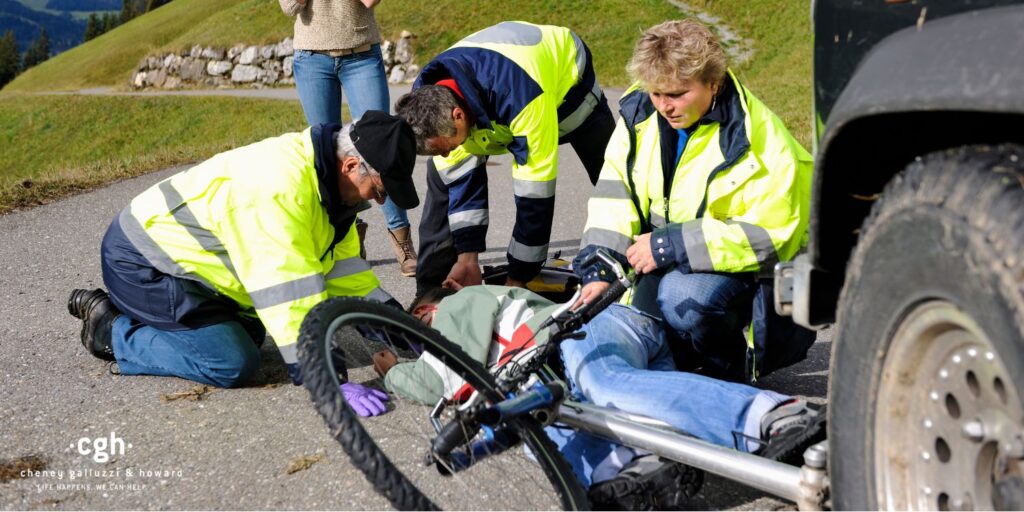
A bicycle crash can turn an ordinary morning into a legal and medical problem before lunch. One minute you are riding to work, heading home from the store, or squeezing in a training ride. The next, you are on the pavement, your bike is twisted, a driver is saying they did not see you, and an insurance adjuster is already preparing a version of events that may not match what actually happened.
That first day matters more than most injured cyclists realize. Rights are not usually lost in one dramatic moment. They are chipped away through delay, confusion, casual statements, missing records, and evidence that disappears faster than people expect. A good Bicycle Accident Lawyer does much more than file paperwork months later. The real protection starts immediately, often before the injured person fully understands the extent of the damage.
The reason is simple. Bicycle accident cases are rarely treated fairly on their own. Riders are vulnerable, and they are also misunderstood. Jurors, insurers, and even some police officers may carry assumptions about cyclists, whether they admit it or not. If no one pushes back early, those assumptions can harden into the entire case narrative.
The first hours after a crash shape the entire claim
Most people think of legal representation as something that begins after treatment is underway. In bicycle cases, that is often too late to preserve the strongest evidence. The first hours after a collision can answer the questions that decide liability later. Where was the bike in the lane. Was the driver turning across the rider’s path. Did a parked car door swing open. Were there skid marks, debris patterns, traffic camera footage, or witnesses who saw the impact and then left the scene.
A Bicycle Accident Lawyer begins by stabilizing the case itself. That means identifying what can vanish. Security footage from a gas station or apartment building may be erased in days. Dashcam files can be overwritten. A damaged helmet, torn clothing, or a bent wheel may tell a story about speed, angle of impact, and point of contact. Medical records from urgent care and emergency departments can contain details that later become critical if an insurer claims the injury was minor or unrelated.
I have seen cases where a rider thought the matter was straightforward because the driver apologized at the scene. Weeks later, the same driver told the insurer the cyclist came out of nowhere. By then, a nearby business had already overwritten its parking lot video. Without early intervention, the claim went from clean liability to a fight.
That is why day one is not about legal theater. It is about evidence preservation.
Protecting you from your own understandable mistakes
Injury produces bad decision-making, even in smart, organized people. Pain, adrenaline, embarrassment, and shock make people say things they do not mean. Cyclists often minimize what happened. They tell the responding officer, “I’m okay,” because they want to be tough, polite, or avoid causing trouble. Later they learn they have a fractured wrist, a concussion, or a shoulder injury that requires months of physical therapy.
Insurers know this pattern well. They also know many injured riders will speak freely to an adjuster before they have seen a specialist or understand their prognosis. A recorded statement taken two days after a crash can become a powerful tool against the injured person six months later. If the rider says, “I think I’m feeling a little better,” that sentence may be quoted out of context long after headaches, dizziness, and neck pain become chronic.
A Bicycle Accident Lawyer steps in as a buffer. That buffer is not about being difficult. It is about preventing the normal, human instinct to explain, guess, or soften the facts from being used to reduce a claim. Once counsel is involved, communications usually go through the lawyer. The client can focus on treatment rather than managing conversations designed to create inconsistencies.
There is also a subtler mistake lawyers help prevent. Many cyclists unknowingly damage their own claims by failing to document the ordinary effects of injury. They attend appointments but do not keep track of missed work, disrupted sleep, inability to ride, childcare problems, or the way pain affects routine tasks like lifting groceries or typing. Those details are not fluff. They often Bicycle Accident Lawyer make the difference between a claim that looks abstract on paper and one that reflects the real cost of being hurt.
Investigating the crash before the story gets rewritten
Bicycle collision cases often turn on details that are easy to miss if the investigation starts late. Cars usually leave more obvious physical evidence than bicycles, but bike crashes have their own clues. Scrape patterns on a pedal, scuff marks on a helmet shell, damage on the fork, and even where a water bottle landed can support or contradict a claimed sequence of events.
An experienced lawyer will usually look beyond the police report right away. Police reports matter, but they are not gospel. Officers may arrive after the impact, talk to only a few people, misstate lane positioning, or omit important witness comments. If the rider is transported to the hospital, the driver’s account may dominate the scene.
A proper early investigation often includes witness outreach, scene photos, mapping the roadway, checking signage, examining the bicycle, and locating surveillance footage. In serious cases, it can include reconstruction analysis. That level of work is especially important when the defense tries to suggest the cyclist was outside the bike lane, failed to signal, ran a red light, or wore dark clothing and therefore shares blame.
One of the most common pressure points is comparative fault. In many states, an injured cyclist can still recover compensation even if they were partly at fault, but the amount may be reduced. Because of that, insurers often look hard for a way to assign a percentage of blame to the rider. A Bicycle Accident Lawyer starts countering that strategy from day one, before the defense theory becomes the default story.
The medical side is legal protection too
People tend to separate treatment from the legal case, but the two are tightly connected. You cannot present a strong injury claim without a credible medical record, and credible medical records do not happen by accident. They are built through timely evaluation, consistent follow-up, and clear reporting of symptoms.
Cyclists are especially prone to injuries that evolve over time. A person may walk away from a crash with road rash and a swollen knee, then develop signs of concussion that evening. Shoulder injuries can initially look like a strain and later prove to be a torn rotator cuff. Wrist pain can be dismissed as soreness until imaging reveals a fracture. Nerve symptoms, soft tissue injuries, and back pain often worsen over several days.
A lawyer does not provide medical advice, but an experienced one understands how these cases unfold. They encourage prompt care, remind clients to keep appointments, and make sure specialists, imaging, and therapy records are collected in an organized way. They also watch for gaps in treatment that insurers love to exploit. If there is a reason for a gap, such as cost, transportation, or a referral delay, that context needs to be documented.
The lawyer is also protecting the client from another early hazard, undertreatment caused by financial fear. Many injured riders hesitate to see specialists because they worry about bills. That concern is real. A practical lawyer helps the client understand available insurance, potential liens, and how treatment expenses may fit into the eventual case. Without that guidance, people often stop care too early, then face an insurer arguing that if they were truly hurt, they would have continued treatment.
Insurance companies begin working immediately, so your side should too
Insurance adjusters are not waiting around for the injured cyclist to get organized. Their job starts right away, and their early moves are rarely accidental. They may ask for blanket medical authorizations, push for a recorded statement, request photos in a way that reveals little while gathering much, or offer a fast settlement before the full medical picture is known.
Quick offers deserve particular caution in bicycle cases. They can sound reasonable when bills are still small and the rider mostly wants the problem to go away. But early settlements are often built around the visible injuries only, not the hidden ones. A rider with facial cuts and bike damage may not yet know they also have a concussion, months of physical therapy ahead, or lasting hand weakness that affects work.
Once a release is signed, the case is usually over. No later discovery of injury changes that.
A Bicycle Accident Lawyer understands policy structure and coverage issues that most people have never had to think about. There may be more than one source of recovery. The driver’s bodily injury coverage is only the starting point. Depending on the facts, there may also be uninsured or underinsured motorist coverage, med pay, personal injury protection, an employer policy if the driver was working, or liability tied to a commercial vehicle, delivery service, or dangerous roadway condition.
Finding those paths early matters. Coverage questions can shape strategy from the beginning. If damages are likely to exceed one policy, the lawyer may need to move quickly to identify additional defendants or preserve claims before key deadlines pass.
When liability is clear on paper, the defense often attacks damages
Some bicycle crashes leave little room for argument about fault. A driver turns right across a bike lane, opens a door into moving traffic, or rear-ends a cyclist stopped at a light. In those cases, insurers often shift focus. If they cannot win on liability, they try to win on value.
That attack usually starts early and sounds familiar. The rider was back at work too soon, so the injury must not be serious. The rider did not go by ambulance, so the crash could not have been severe. The rider has a prior back complaint, so today’s pain must be old. The rider posted a smiling photo online, so their daily limitations must be exaggerated.
A skilled lawyer protects against this by building a damages case from the start, not at the end. That means collecting treatment records, yes, but also making sure the claim reflects lost wages, future care, reduced earning capacity where appropriate, damaged equipment, and the non-economic harm that does not show up on an invoice. Serious cyclists often feel this acutely. Losing the ability to commute by bike, train, race, or even ride recreationally can alter fitness, identity, stress management, and social life in ways outsiders underestimate.
Those effects need to be presented in a grounded, credible way. Not every case calls for dramatic language. In fact, exaggeration usually backfires. Jurors and adjusters respond better to specifics. A rider who used to commute twelve miles each way but now cannot tolerate twenty minutes on the handlebars tells a much clearer story than someone who simply says the injury “changed everything.”
Bicycle cases come with biases that need active management
There is no real value in pretending all road users are viewed the same. Many cyclists face assumptions that drivers do not. Some people believe riders are unpredictable, ignore traffic rules, or do not belong on busy roads. Even when those beliefs have nothing to do with the actual crash, they can shape how claims are evaluated.
That is one reason a Bicycle Accident Lawyer matters from day one. The case has to be framed accurately before stale stereotypes seep in. If the rider was lawfully occupying the lane because the bike lane was obstructed, that fact should be documented early. If road design forced the cyclist into a dangerous merge, photographs and measurements may matter. If the driver made a common but hazardous statement like “I looked, but I just didn’t see him,” that phrase needs context because it often reflects a recognition failure, not cyclist wrongdoing.
The same goes for safety gear. Defense lawyers sometimes lean on helmets, lights, reflective clothing, and similar facts in a way that suggests a rider had to be perfect to deserve legal protection. The law usually does not require perfection. It requires reasonable care, and drivers owe that duty to cyclists whether the rider is in racing kit, office clothes, or carrying groceries in a backpack.
Serious injuries raise hard timing questions
One of the more delicate judgments in these cases is deciding when to push for settlement and when to wait. Early pressure from insurers can be intense. Clients may need money. Medical bills may be mounting. A bike worth several thousand dollars may be destroyed. At the same time, settling before the medical picture stabilizes can permanently undervalue the case.
Good lawyers manage that tension by being practical, not rigid. Some parts of a claim can be addressed early, such as property damage, without compromising the bodily injury case. In other situations, waiting is essential because surgery is Bicycle Accident Lawyer possible, rehabilitation is ongoing, or doctors cannot yet say whether symptoms will fully resolve.
This is where experience shows. A lawyer who handles bicycle cases regularly knows that a fractured clavicle with routine healing may move on one timeline, while a mild traumatic brain injury or shoulder labrum tear may require much more patience. There is no universal formula. Protecting rights sometimes means slowing the process down even when the client is understandably impatient.
What your lawyer is doing behind the scenes in the first weeks
The client often sees only part of the work. Behind the scenes, the first weeks after a bicycle crash are usually dense with tasks that keep options open and prevent avoidable damage to the case.
- sending preservation letters for video, vehicle data, and physical evidence
- notifying insurers and stopping direct contact with the injured rider
- collecting the police report, witness statements, photographs, and medical records
- reviewing available insurance policies and identifying all possible sources of coverage
- tracking deadlines, including notice requirements and the statute of limitations
None of this is glamorous, but it is the foundation. When these pieces are neglected, the case becomes harder than it needs to be. When they are handled quickly, the claim has structure from the outset.
Clients also protect their own rights, with guidance
A lawyer can do a great deal, but the client still plays a central role. The best cases often come from a strong partnership between counsel and the injured cyclist. That partnership does not require legal sophistication. It requires consistency and honesty.
There are a few habits that help immediately.
- get appropriate medical care promptly and follow through with treatment
- preserve the bicycle, helmet, clothing, and any damaged gear
- avoid posting about the crash or recovery on social media
- keep receipts, mileage, work-loss information, and notes about daily limitations
- ask questions early rather than making assumptions about the claim
The social media point is worth pausing on because it causes trouble in otherwise solid cases. A harmless post about feeling grateful, attending a birthday dinner, or standing next to a bike can be stripped of context and used to suggest full recovery. The issue is not secrecy. It is that litigation rewards fragments, not nuance.
Cases involving children, delivery drivers, and city streets need a different lens
Not all bicycle collisions fit the standard car-versus-cyclist model. A child struck near a school zone brings different factual and emotional issues than an adult commuter hit downtown. A crash involving a rideshare or delivery driver may trigger layered insurance questions and disputes about whether the driver was working at the time. A case tied to poor road design, missing signage, or dangerous debris may involve a public entity, which often means shorter notice deadlines and stricter procedural rules.
Those cases are exactly why early legal involvement matters. Rights against a city or county can be lost much faster than ordinary personal injury claims if formal notice requirements are missed. Commercial defendants may have more evidence available, but they also tend to move quickly to protect themselves. If a cyclist is badly hurt by a truck making a turn across a bike route, there may be dispatch records, onboard camera footage, training files, and maintenance documents that need to be requested or preserved before they disappear into a system no individual claimant can access alone.
Settlement leverage is built, not announced
People often imagine that good case results come from dramatic negotiation. In reality, leverage is usually built quietly over time. It comes from a file that is complete, consistent, and difficult to attack. It comes from evidence preserved early, treatment documented well, liability framed accurately, and damages presented with specifics rather than slogans.
That is what a Bicycle Accident Lawyer is protecting from day one. Your right to compensation matters, of course, but so does your right to tell the truth of what happened in a way that survives scrutiny. Without help, many cyclists enter the claims process already behind. They are injured, unfamiliar with the rules, and dealing with institutions that handle these disputes every day. With the right lawyer involved early, the balance shifts.
The crash may have lasted seconds. The consequences rarely do. Early legal protection keeps those consequences from being defined by whoever speaks first, preserves what the road and the records can still prove, and gives the injured rider a fair chance to recover on terms grounded in facts rather than assumptions.
CGH Injury Lawyers
2701 Lawrence St Suite 201
Denver, CO 80205, United States
Phone: +1 720-669-8062
FAQ About Bicycle Accident Lawyer
Who is at fault if a car hits a bicycle?
Fault depends on the evidence and the traffic rules that applied to the collision. A driver, cyclist, or another party may share responsibility. Police reports, witness accounts, video, and the physical evidence can help establish what happened. A collision with a car does not automatically determine legal fault.
Can you sue someone for hitting you on a bike?
You may have a claim when another person's negligent conduct causes your injuries and losses. The available evidence, applicable deadlines, insurance coverage, and any shared fault affect your options. A lawyer can review the circumstances and explain whether an insurance claim or lawsuit is appropriate; compensation is not guaranteed.
What percentage does an injury lawyer usually take?
There is no single percentage that applies to every injury case. Many lawyers use a contingency fee based on a share of the recovery, with the terms stated in a written agreement. Ask how the percentage is calculated, whether it changes during litigation, and how case expenses are handled before signing.